Sickle cell disease — perioperative management
Perioperative assessment · Perioperative & Anaesthesia
Physician-written · Verified by three sets of doctors · Reviewed November 2026
Bedside summary
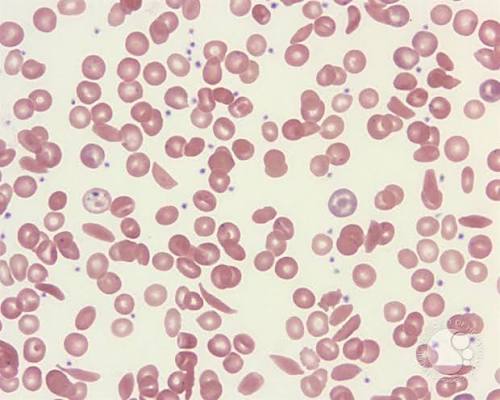
Surgery and anaesthesia can precipitate sickling crises through hypoxaemia, hypothermia, dehydration, acidosis and stasis. Prevention focuses on avoiding these triggers, maintaining haemoglobin, and perioperative transfusion for higher-risk surgery, with vigilance for acute chest syndrome.
Figures & algorithms
Red flags
- New hypoxaemia, chest pain and infiltrate (acute chest syndrome)
- Sudden drop in haemoglobin with abdominal distension (sequestration)
- New neurological deficit (stroke)
- Severe uncontrolled pain crisis
- HbS not adequately reduced before high-risk surgery
Assessment
Differential diagnosis
- Vaso-occlusive (painful) crisis
- Acute chest syndrome
- Acute anaemia from splenic/hepatic sequestration or aplastic crisis
- Postoperative atelectasis/pneumonia versus chest syndrome
- Stroke/cerebral vaso-occlusion
Investigations
- FBC and reticulocytes; compare with the patient's baseline haemoglobin
- Sickle solubility test/haemoglobin electrophoresis and HbS percentage if transfusion planned
- Group and save/crossmatch with extended red-cell phenotyping (alloimmunisation risk)
- Oxygen saturation and chest imaging if respiratory symptoms (acute chest syndrome)
- Renal function and baseline where chronic organ damage likely
Management
- Liaise with haematology early to plan transfusion strategy based on surgical severity and baseline disease
- Avoid sickling triggers throughout: maintain oxygenation, normothermia, hydration, normotension and avoid acidosis and stasis
- Consider simple (top-up) transfusion to haemoglobin ~100 g/L for medium/high-risk surgery; exchange transfusion for high-risk procedures as advised
- Pre-oxygenate well and keep the patient warm and well filled; use active warming and warmed IV fluids
- Avoid prolonged tourniquet use and venous stasis; maintain good tissue perfusion
- Provide effective analgesia (multimodal) while monitoring for respiratory depression
- Give oxygen postoperatively, encourage incentive spirometry and watch closely for acute chest syndrome
- Maintain hydration and early mobilisation; have a low threshold to escalate for crisis
Drugs & doses
Maintain hydration — balanced crystalloid IV at maintenance-plus rates (avoid over-transfusion/hyperviscosity)
Supplemental oxygen — titrate to SpO2 >95% perioperatively
Analgesia — Paracetamol 1 g IV 6-hourly plus opioid (e.g. Morphine 0.1 mg/kg IV titrated) with monitoring
Transfusion target — packed red cells to haemoglobin ~100 g/L (avoid exceeding, to prevent hyperviscosity)
Disposition
Stable patients recover on the ward with oxygen, hydration and chest physiotherapy under haematology co-care; crisis or acute chest syndrome requires urgent escalation to critical care.
Complications & pitfalls
- Acute chest syndrome
- Vaso-occlusive crisis
- Sequestration/aplastic crisis
- Stroke
- Transfusion alloimmunisation and delayed haemolytic reaction
Exam pearls
- Prevention beats treatment: keep the patient warm, well-oxygenated, well-hydrated, normotensive and non-acidotic
- Do not over-transfuse — aim for haemoglobin around 100 g/L, as higher levels raise viscosity and sickling
- Acute chest syndrome is the leading perioperative killer — give oxygen, incentive spirometry and escalate early
- Use extended-phenotype-matched blood to reduce alloimmunisation
- Avoid prolonged tourniquets and venous stasis which promote local sickling
Disclaimer: Educational decision support for qualified clinicians and students — not a substitute for clinical judgement, local protocols or a full drug reference. Confirm every dose and contraindication against your formulary before prescribing.