Purulent (bacterial) pericarditis
Bedside summary
A rare but rapidly fatal infection of the pericardial space with frank pus, usually from contiguous pneumonia/empyema, haematogenous spread, or after thoracic surgery/trauma, especially in the immunosuppressed. Tamponade develops quickly and classic pleuritic chest pain is often absent. The priority is urgent drainage AND empirical IV antibiotics — antibiotics alone are insufficient.
Figures & algorithms
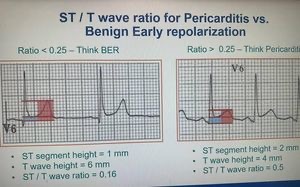
Red flags
- Cardiac tamponade
- Septic shock
- Loculated/thick purulent collection not draining percutaneously
- Immunosuppression / recent thoracic surgery
Assessment
Differential diagnosis
- Viral/idiopathic pericarditis (usually benign — not purulent)
- Uraemic, malignant or tuberculous effusion
- Other causes of a septic, shocked patient (empyema, intra-abdominal sepsis)
Investigations
- Echocardiography urgently — effusion, often loculated/fibrinous, with tamponade physiology
- Diagnostic pericardiocentesis: purulent fluid, neutrophilic, low glucose, high protein/LDH; send Gram stain, culture and cell count
- Blood cultures, inflammatory markers; identify the source (CXR/CT for pneumonia/empyema)
Management
- Resuscitate for sepsis; treat tamponade as an emergency (pericardiocentesis/drainage).
- Start empirical IV antibiotics early after cultures — cover Staphylococcus aureus (including MRSA where prevalent), streptococci and Gram-negative organisms; tailor to cultures and source.
- Drain the pericardium: pericardiocentesis with catheter drainage, but thick pus or loculation frequently needs surgical drainage (subxiphoid pericardiostomy or pericardiectomy).
- Consider intrapericardial fibrinolysis for loculated/thick collections to improve drainage and reduce later constriction (specialist decision).
- Source control for the underlying infection (e.g. drain an empyema).
- Monitor for recurrent tamponade and evolving constriction; involve cardiology and cardiothoracic surgery.
Drugs & doses
Disposition
Complications & pitfalls
- Cardiac tamponade and death
- Constrictive pericarditis
- Recurrent/loculated effusion needing surgery
- Ongoing sepsis / metastatic infection
Exam pearls
- Antibiotics alone do not cure purulent pericarditis — it must be drained, often surgically.
- It is frequently painless and presents as undifferentiated sepsis with tamponade.
- Expect and screen for later constriction after the acute infection.
Educational — confirm all doses against local policy. Antibiotic doses per BNF (current edition); confirm choice in the in-app Antibiotic Dosing tool.
Disclaimer: Educational decision support for qualified clinicians and students — not a substitute for clinical judgement, local protocols or a full drug reference. Confirm every dose and contraindication against your formulary before prescribing.