Acute variceal & upper GI haemorrhage (ICU)
GI bleed · Critical Care / ICU
Physician-written · Verified by three sets of doctors · Reviewed November 2026
Bedside summary
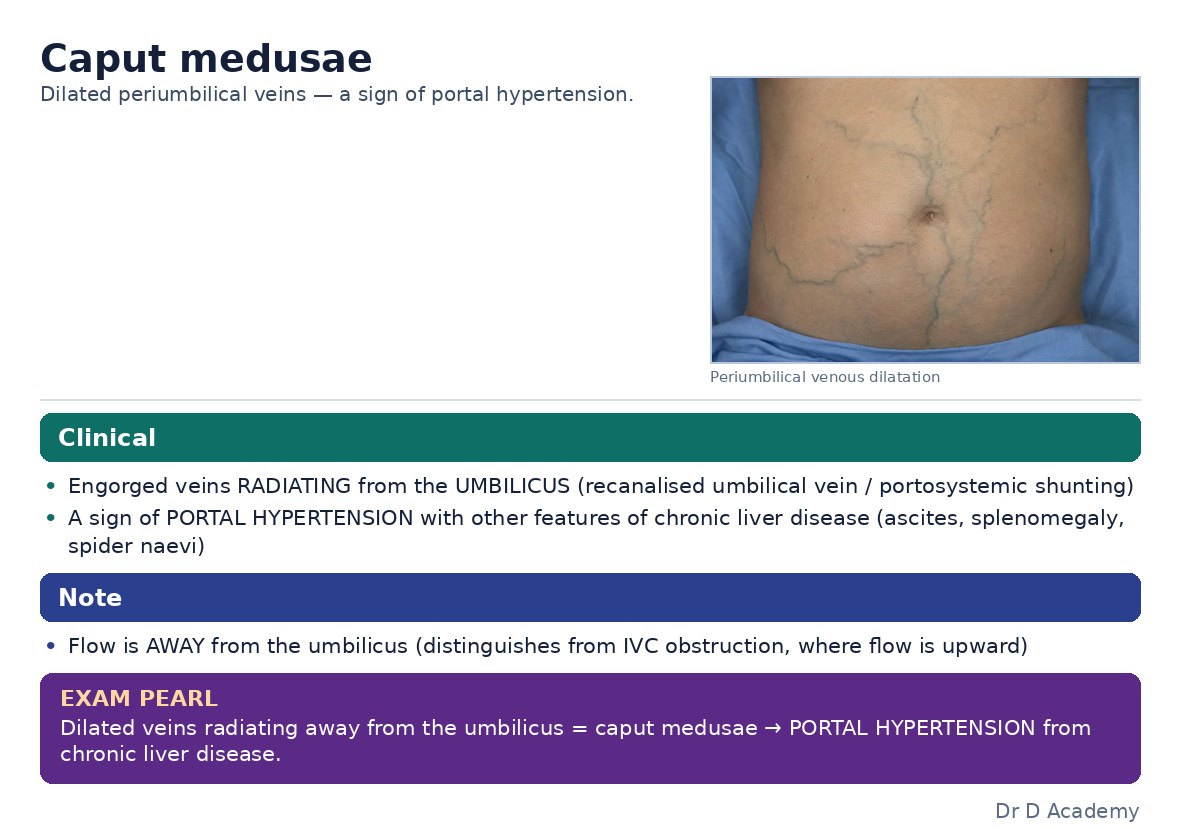
Life-threatening upper gastrointestinal bleeding, especially from oesophageal varices in cirrhosis, requires resuscitation, airway protection, vasoactive drugs, endoscopic therapy and antibiotics. Variceal bleeding carries high mortality and needs a bundled, time-critical approach.
Figures & algorithms
Red flags
- Haemodynamic instability despite transfusion
- Haematemesis with reduced consciousness
- Ongoing bleeding at endoscopy
- Rising lactate
- Rebleeding after therapy
Assessment
Differential diagnosis
- Oesophageal / gastric varices
- Peptic ulcer bleeding
- Mallory-Weiss tear
- Erosive gastritis / oesophagitis
- Malignancy
- Aorto-enteric fistula
Investigations
- Full blood count, cross-match, coagulation, fibrinogen
- Lactate and venous gas
- Liver function and renal function
- Group and save / crossmatch multiple units
- Urgent upper GI endoscopy
- Assessment of cirrhosis severity
Management
- Resuscitate airway, breathing, circulation; secure large-bore IV access and activate the major haemorrhage protocol if shocked
- Protect the airway with intubation if there is torrential bleeding, encephalopathy or aspiration risk before endoscopy
- Use a restrictive transfusion strategy targeting haemoglobin around 70 g/L (avoid over-transfusion which raises portal pressure)
- In suspected variceal bleeding, start a vasoactive splanchnic vasoconstrictor (terlipressin) early
- Give prophylactic antibiotics (e.g. ceftriaxone) to all cirrhotic patients with GI bleeding
- Correct severe coagulopathy and thrombocytopenia judiciously; give fibrinogen if very low; avoid over-correction
- Arrange urgent endoscopy within 24 h (and as soon as resuscitated for variceal bleeding) for band ligation or sclerotherapy, or clips/adrenaline for ulcers
- For uncontrolled variceal bleeding use balloon tamponade as a temporary bridge to definitive therapy
- Start a proton pump inhibitor infusion for suspected/confirmed peptic ulcer bleeding
- Consider a covered oesophageal stent or early TIPS for refractory variceal bleeding
- Monitor for and treat hepatic encephalopathy, AKI and rebleeding
- Reassess transfusion, coagulation and haemodynamics frequently
Drugs & doses
Terlipressin 2 mg IV then 1-2 mg IV 4-6 hourly (variceal)
Ceftriaxone 1 g IV daily (cirrhotic prophylaxis)
Pantoprazole 80 mg IV bolus then 8 mg/h infusion (ulcer)
Tranexamic acid is NOT recommended for GI bleeding (avoid)
Packed red cells to target Hb ~70 g/L
Disposition
ICU with urgent gastroenterology/endoscopy; interventional radiology (TIPS) and surgical backup for refractory bleeding.
Complications & pitfalls
- Aspiration pneumonia
- Hepatic encephalopathy
- Hypovolaemic shock and death
- Rebleeding
- Acute kidney injury / hepatorenal syndrome
- Transfusion-related complications
Exam pearls
- In cirrhotic GI bleeding give terlipressin and antibiotics early - antibiotics independently improve survival
- Target a restrictive Hb of ~70 g/L; over-transfusion raises portal pressure and worsens variceal bleeding
- Protect the airway before endoscopy in brisk bleeding or encephalopathy
- Avoid tranexamic acid - trials show no benefit and possible harm in GI bleeding
Disclaimer: Educational decision support for qualified clinicians and students — not a substitute for clinical judgement, local protocols or a full drug reference. Confirm every dose and contraindication against your formulary before prescribing.