Hypertriglyceridaemia-induced acute pancreatitis
Pancreatic · GI / Surgical
Physician-written · Verified by three sets of doctors · Reviewed November 2026
Bedside summary
Acute pancreatitis precipitated by serum triglycerides usually >11.3 mmol/L (>1000 mg/dL); often in poorly controlled diabetes, alcohol use or familial dyslipidaemia.
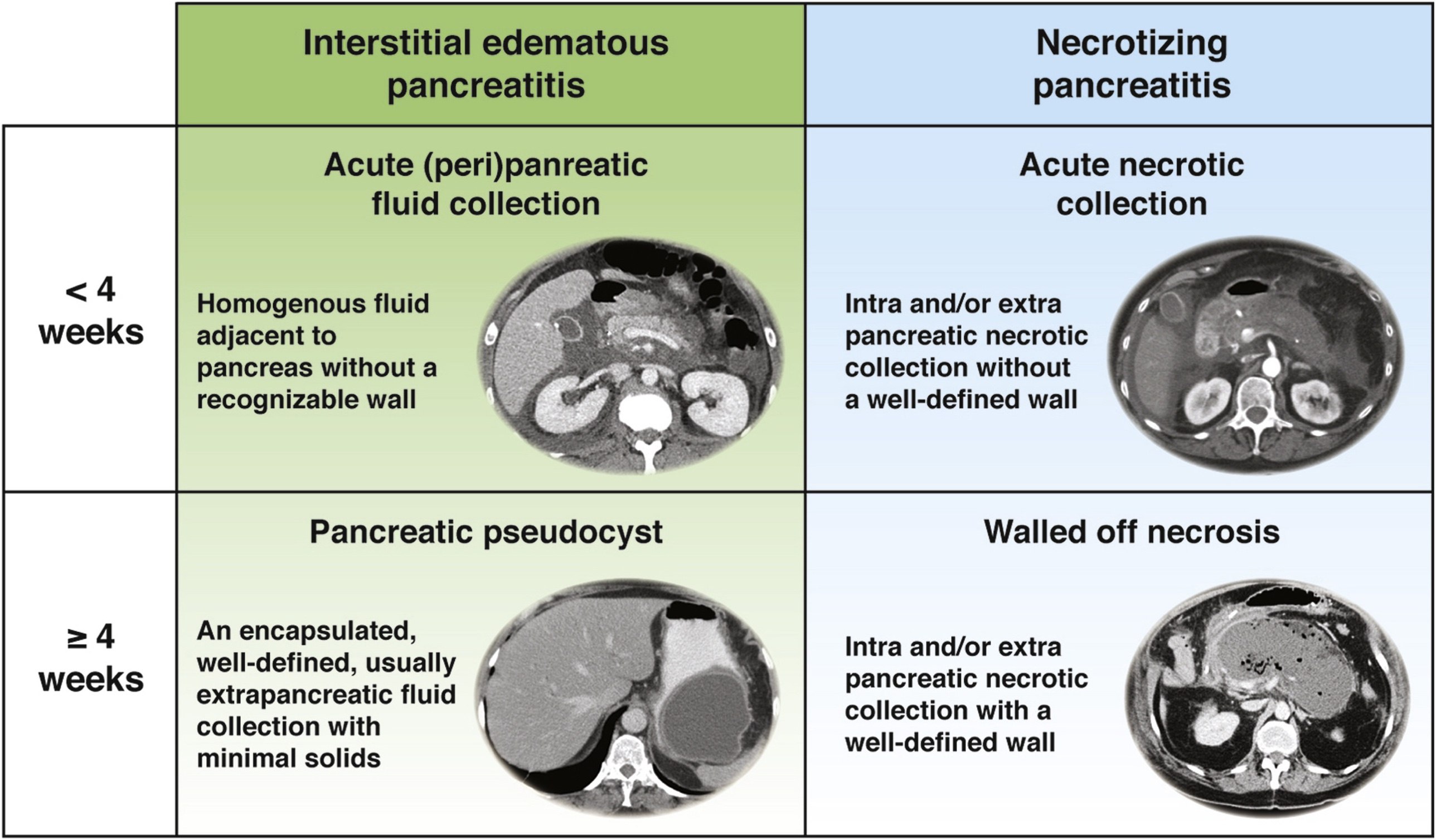
Figures & algorithms
Red flags
- Organ dysfunction/severe pancreatitis
- Concurrent DKA
- Persistent triglycerides despite therapy
- Hypocalcaemia with tetany
Assessment
Differential diagnosis
- Gallstone pancreatitis
- Alcoholic pancreatitis
- Perforated viscus
- Mesenteric ischaemia
- Diabetic ketoacidosis
Investigations
- Lipase/amylase, fasting triglycerides
- Glucose, ketones, VBG (rule out concurrent DKA)
- U&E, calcium, LFTs, FBC, CRP
- Ultrasound to exclude gallstones
- Lipase may be falsely low with severe lipaemia
Management
- Standard pancreatitis care: aggressive IV fluids, analgesia, antiemetics
- Confirm and trend triglyceride level
- Withhold oral fat and stop offending drugs/alcohol
- For severe cases start insulin infusion (with glucose) to lower triglycerides
- Apheresis (plasmapheresis) if severe/refractory and available
- Treat coexisting DKA; long-term fibrate and lifestyle management
Drugs & doses
IV crystalloid (goal-directed)
IV analgesia and antiemetics
Insulin infusion with dextrose to lower triglycerides
Heparin (adjunct in selected cases)
Fibrate for maintenance once oral
Disposition
Admit; HDU/ICU if severe; endocrine/lipid follow-up.
Complications & pitfalls
- Necrotising pancreatitis
- Multiorgan failure
- Recurrent attacks
- Diabetic complications
Exam pearls
- Amylase/lipase can be spuriously normal in lipaemic serum
- Insulin activates lipoprotein lipase to clear triglycerides
- Target triglycerides below 5.6 mmol/L (500 mg/dL)
Disclaimer: Educational decision support for qualified clinicians and students — not a substitute for clinical judgement, local protocols or a full drug reference. Confirm every dose and contraindication against your formulary before prescribing.