Atypical haemolytic uraemic syndrome (complement-mediated)
Bedside summary
A complement-mediated thrombotic microangiopathy causing microangiopathic haemolytic anaemia, thrombocytopenia and AKI WITHOUT the Shiga-toxin (STEC) trigger of typical HUS. It results from uncontrolled alternative-complement-pathway activation (often inherited). ADAMTS13 is not severely deficient (distinguishing it from TTP). Early recognition matters because terminal complement blockade (eculizumab/ravulizumab) transforms the previously poor renal and life outcomes.
Figures & algorithms
Red flags
- Anuric AKI / dialysis-requiring renal failure
- Severe hypertension, cardiac or neurological involvement
- ADAMTS13 not severely reduced with ongoing TMA (supports aHUS)
- Rapid clinical deterioration
Assessment
Differential diagnosis
- TTP (send ADAMTS13 — severely low <10% suggests TTP, not aHUS)
- Typical/STEC-HUS (diarrhoeal prodrome, stool testing), DIC, sepsis
- Secondary TMA: pregnancy/HELLP, malignant hypertension, drugs, autoimmune disease, transplant
Investigations
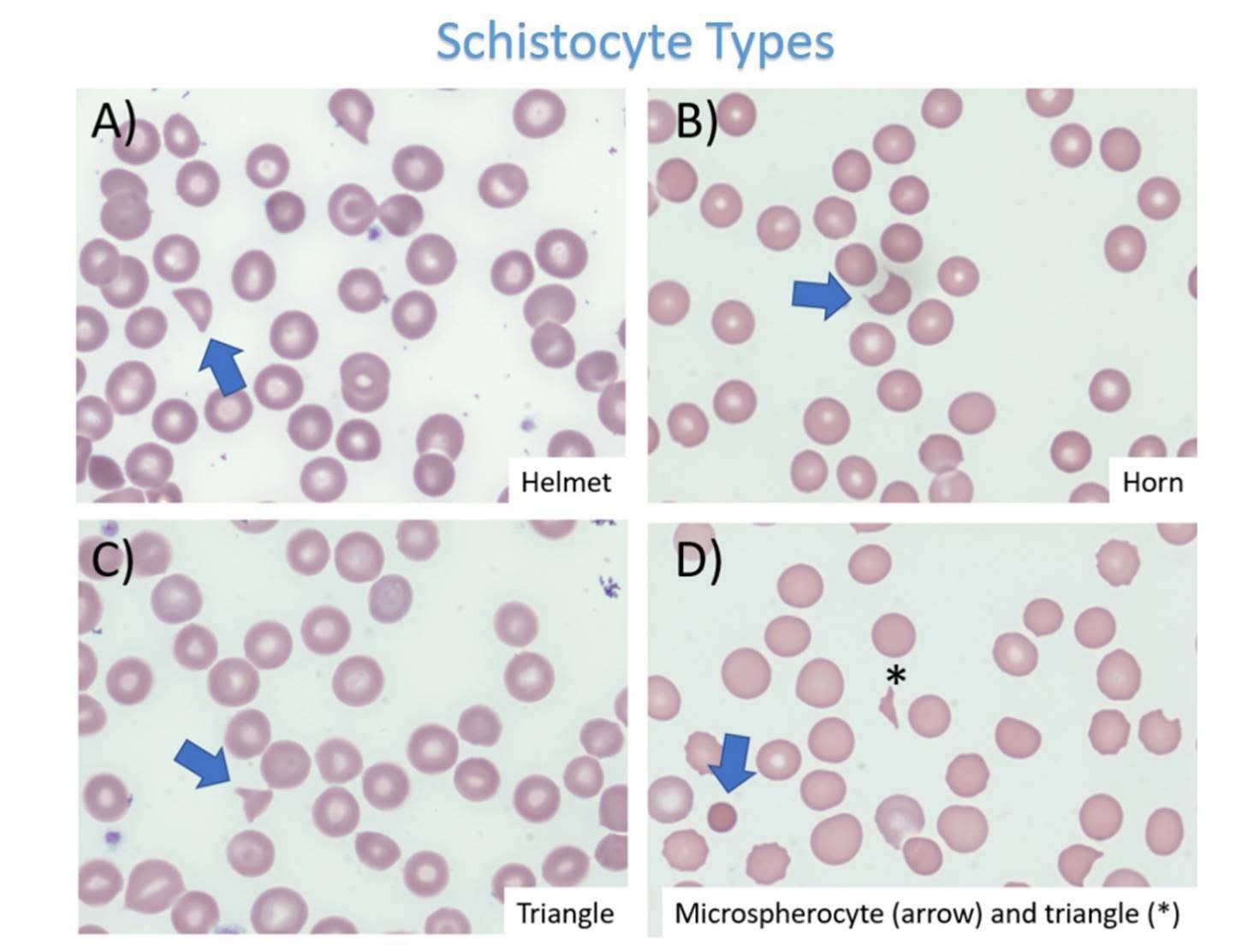
- Blood film (schistocytes), LDH (high), haptoglobin (low), reticulocytes, bilirubin, platelets, direct Coombs (negative)
- U&E/creatinine (AKI), urinalysis; BP (often severe hypertension)
- ADAMTS13 (to exclude TTP) BEFORE/at treatment; stool for STEC/Shiga toxin to exclude typical HUS
- Complement studies and genetic testing per protocol (do not delay treatment for results)
Management
- Confirm the TMA triad (MAHA + thrombocytopenia + organ injury) and urgently send ADAMTS13 and STEC testing to triage TTP vs typical HUS vs aHUS.
- If TTP cannot be excluded, start empirical plasma exchange while awaiting ADAMTS13 — but recognise aHUS responds poorly to plasma exchange alone.
- Supportive care: manage AKI (renal replacement if needed), control hypertension, transfuse red cells for symptomatic anaemia; avoid platelet transfusion unless bleeding.
- Start terminal complement inhibition (eculizumab or ravulizumab) as soon as aHUS is the working diagnosis — it is the definitive therapy.
- Before/at complement inhibition, give meningococcal vaccination and antibiotic prophylaxis (increased Neisseria risk).
- Screen for and treat any secondary trigger; involve nephrology and haematology.
Drugs & doses
Disposition
Complications & pitfalls
- End-stage renal failure
- Extrarenal TMA (CNS, cardiac, GI)
- Relapse (lifelong complement dysregulation)
- Meningococcal infection on complement inhibitors
Exam pearls
- ADAMTS13 separates TTP (severely low) from aHUS (not severely low) — send it early.
- aHUS responds poorly to plasma exchange — complement inhibition is the definitive treatment.
- Always vaccinate and give prophylaxis against Neisseria before C5 inhibition.
Educational — confirm all doses against local policy. Antibiotic doses per BNF (current edition); confirm choice in the in-app Antibiotic Dosing tool.
Disclaimer: Educational decision support for qualified clinicians and students — not a substitute for clinical judgement, local protocols or a full drug reference. Confirm every dose and contraindication against your formulary before prescribing.