L-asparaginase complications (thrombosis & pancreatitis)
Chemo toxicity · Haematology / Oncology
Physician-written · Verified by three sets of doctors · Reviewed November 2026
Bedside summary
Asparaginase (used in ALL) depletes asparagine and also a range of plasma proteins, producing characteristic toxicities: THROMBOSIS (notably cerebral venous sinus thrombosis from depletion of antithrombin, protein C/S and fibrinogen), PANCREATITIS, hypersensitivity, hyperbilirubinaemia and hypertriglyceridaemia. Recognise these early, stop/hold the drug for serious events, and manage with haematology and oncology input.
Figures & algorithms
Red flags
- Headache, seizure or focal deficit (cerebral venous sinus thrombosis)
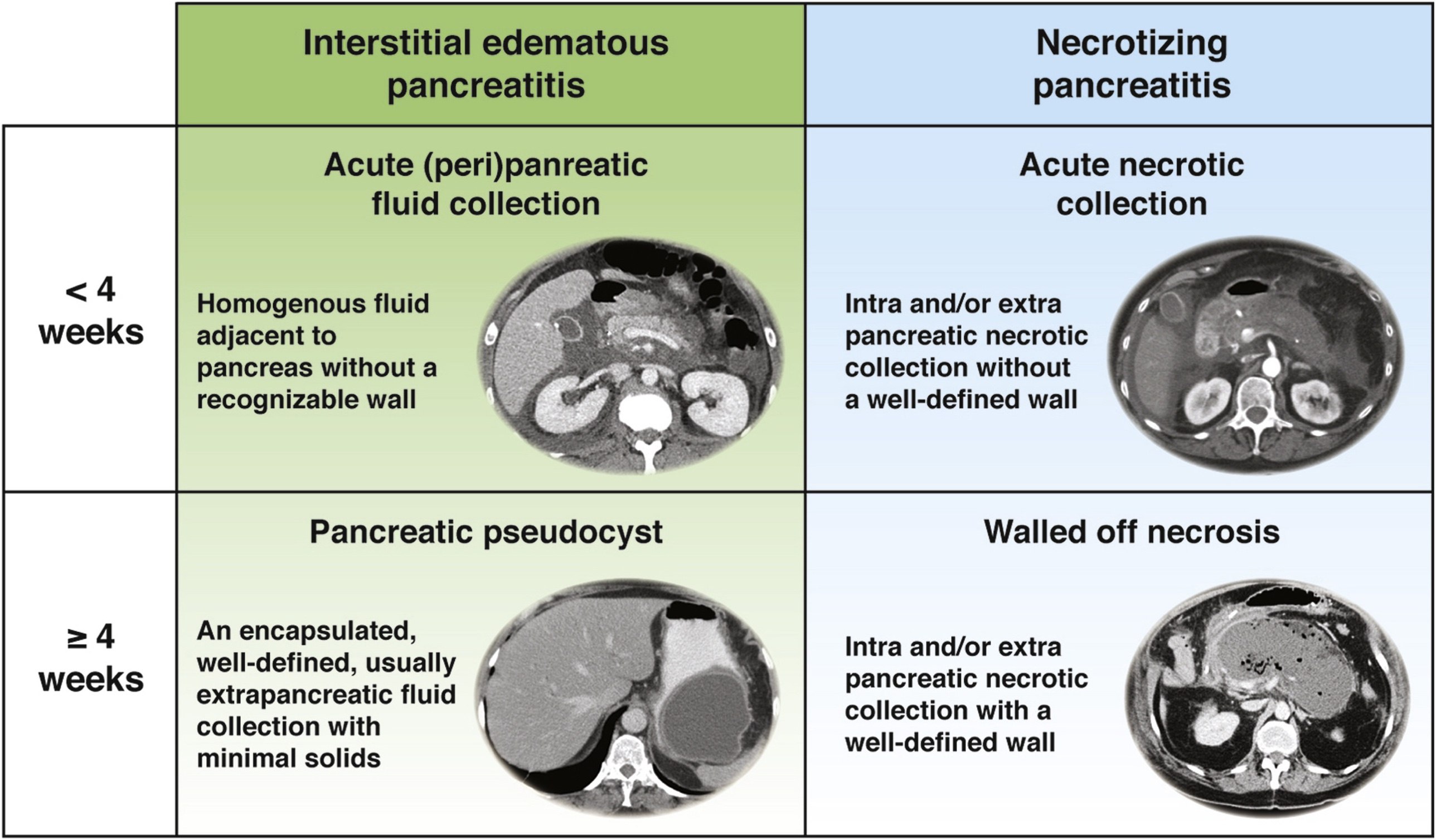
- Severe abdominal pain (pancreatitis — may be necrotising)
- Anaphylaxis during infusion
- Major bleeding from coagulopathy
Assessment
Differential diagnosis
- New headache/seizure/focal deficit on asparaginase → suspect cerebral venous sinus thrombosis
- Abdominal pain → asparaginase-associated pancreatitis (check lipase/amylase)
- Hypersensitivity/anaphylaxis during or after infusion
- Hypertriglyceridaemia (can itself provoke pancreatitis) and hyperglycaemia
Investigations
- Coagulation screen, fibrinogen, antithrombin, D-dimer; imaging (CT/MR venography) if CVST suspected
- Lipase/amylase and imaging for suspected pancreatitis; triglycerides and glucose
- LFTs (hyperbilirubinaemia), and tryptase if anaphylaxis suspected
Management
- For suspected THROMBOSIS (especially CVST): urgent imaging, hold asparaginase, and anticoagulate with haematology guidance; consider replacing antithrombin and/or fibrinogen before/with anticoagulation if severely depleted.
- For PANCREATITIS: stop asparaginase (usually permanently for significant/necrotising pancreatitis), give supportive care (fluids, analgesia, antiemetics, nutrition per severity), and monitor for complications.
- For HYPERSENSITIVITY/anaphylaxis: stop the infusion and treat anaphylaxis; a different asparaginase preparation may be substituted by oncology.
- Correct hypertriglyceridaemia and hyperglycaemia; monitor coagulation and liver function.
- Replace fibrinogen/antithrombin as guided for bleeding or significant depletion with thrombosis.
- Coordinate restart/substitution decisions with the treating oncology team.
Drugs & doses
Therapeutic anticoagulation for asparaginase-associated thrombosis (agent and timing per haematology; confirm against local policy)
Antithrombin concentrate and/or fibrinogen replacement for significant depletion with thrombosis/bleeding (specialist-directed; confirm against local policy)
Supportive pancreatitis care: IV fluids, analgesia, antiemetics, nutrition per severity
Anaphylaxis management (adrenaline, etc.) for hypersensitivity; alternative asparaginase formulation per oncology
Disposition
Admit for significant thrombosis, pancreatitis or anaphylaxis; coordinate ongoing ALL therapy and substitution with oncology.
Complications & pitfalls
- Cerebral venous sinus thrombosis / other VTE
- Acute (sometimes necrotising) pancreatitis and pseudocyst
- Bleeding from hypofibrinogenaemia
- Anaphylaxis
Exam pearls
- New neurology on asparaginase = image for cerebral venous sinus thrombosis.
- Asparaginase pancreatitis usually means permanent discontinuation of asparaginase.
- The coagulopathy is bidirectional — both thrombosis and bleeding occur; replace antithrombin/fibrinogen as guided.
Educational — confirm all doses against local policy.
Disclaimer: Educational decision support for qualified clinicians and students — not a substitute for clinical judgement, local protocols or a full drug reference. Confirm every dose and contraindication against your formulary before prescribing.