Sickle cell acute ischaemic stroke
Sickle cell emergency · Haematology / Oncology
Physician-written · Verified by three sets of doctors · Reviewed November 2026
Bedside summary
Acute ischaemic (or haemorrhagic) stroke in sickle cell disease, most often in children but also adults, from large-vessel vasculopathy and sickling. A neurological emergency requiring urgent exchange transfusion.
Figures & algorithms
Red flags
- Acute focal neurological deficit or seizures
- Reduced consciousness
- Evidence of haemorrhage on CT
Assessment
Differential diagnosis
- Ischaemic stroke (non-sickle mechanism)
- Intracranial haemorrhage
- Posterior reversible encephalopathy syndrome (PRES)
- Seizure with Todd paresis
- CNS infection
Investigations
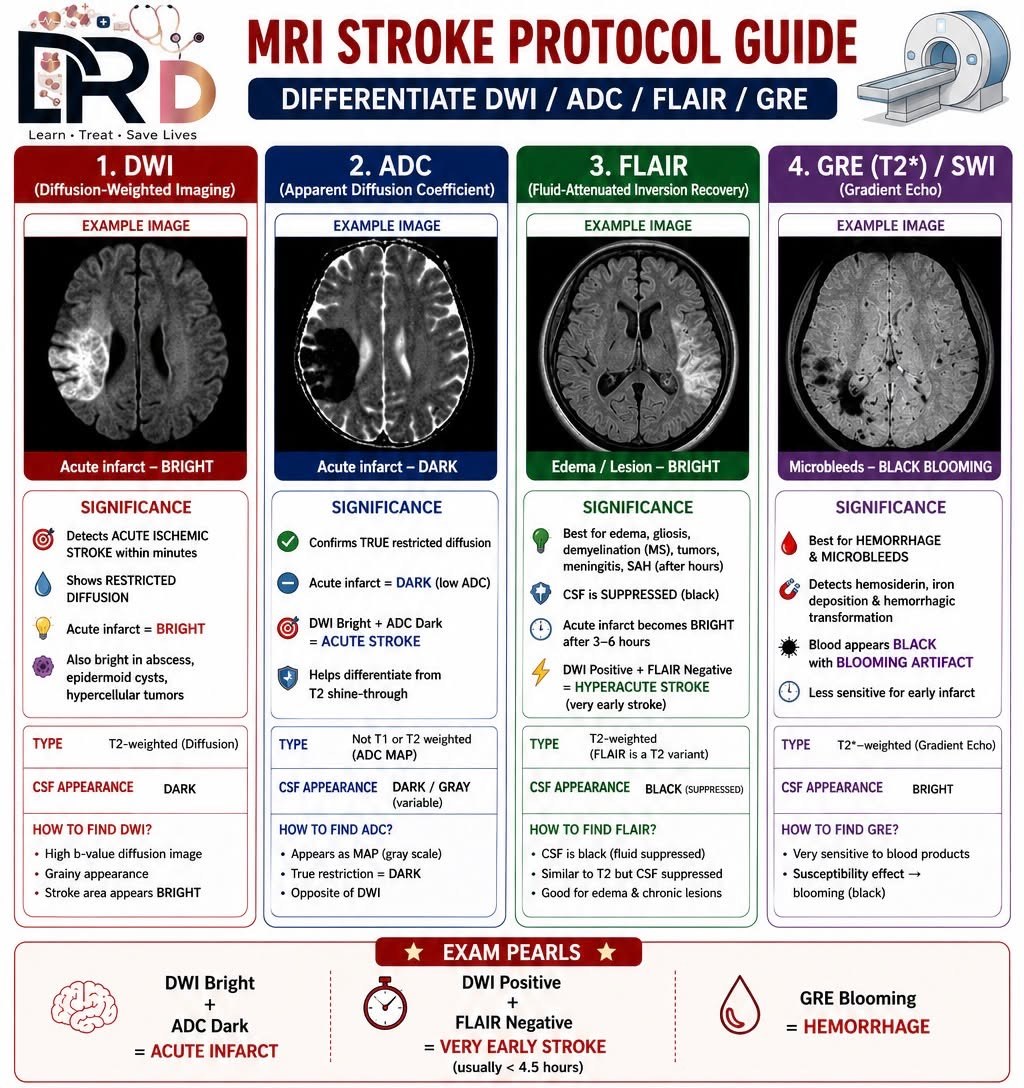
- Urgent CT head (exclude haemorrhage), then MRI/MRA
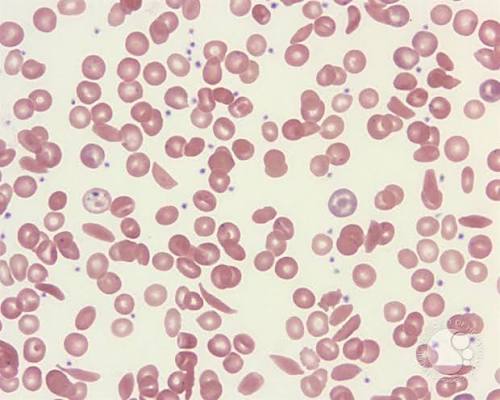
- FBC, reticulocytes, haemoglobin S percentage, group and crossmatch
- U&E, glucose
- Blood gas/oxygenation
Management
- Urgent neuroimaging and stroke-team involvement
- Correct hypoxia; maintain hydration and normoglycaemia
- Arrange urgent exchange transfusion to reduce HbS (target per protocol) - the key acute intervention
- Involve haematology immediately; standard thrombolysis is generally not the primary treatment in sickle stroke
- Plan secondary prevention with chronic transfusion programme
Drugs & doses
Exchange transfusion (urgent) to lower HbS fraction
IV fluids and oxygen
Analgesia; manage any concurrent vaso-occlusive crisis
Chronic transfusion for secondary prevention
Disposition
Admit; stroke unit/ICU with urgent haematology and transfusion medicine involvement.
Complications & pitfalls
- Permanent neurological deficit
- Recurrent stroke
- Haemorrhagic transformation
- Cognitive impairment
Exam pearls
- Urgent exchange transfusion to reduce HbS is the priority intervention - involve haematology immediately.
- Do not delay imaging; treat as a time-critical stroke while arranging exchange transfusion.
Disclaimer: Educational decision support for qualified clinicians and students — not a substitute for clinical judgement, local protocols or a full drug reference. Confirm every dose and contraindication against your formulary before prescribing.