Sickle cell disease — disease-modifying & preventive therapy
Bedside summary
Long-term therapy to REDUCE vaso-occlusive crises, acute chest syndrome, transfusions and mortality in sickle cell disease — distinct from treating an acute crisis. Hydroxyurea (hydroxycarbamide) is the mainstay; additional agents, chronic transfusion and curative options exist. General preventive care (vaccination, penicillin prophylaxis, folate) underpins all of it.
Figures & algorithms
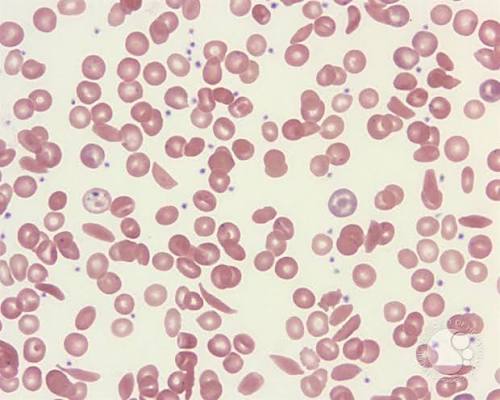
Red flags
- Acute presentations (vaso-occlusive crisis, acute chest syndrome, sepsis, stroke, splenic sequestration) — use the acute protocols, not this one
- Hydroxyurea myelosuppression (cytopenias on monitoring)
- Transfusional iron overload
Assessment
Differential diagnosis
- This is preventive/chronic management — an ACUTE painful crisis, acute chest syndrome, sepsis or stroke is managed under those protocols
Investigations
- Baseline and monitoring FBC/reticulocytes (hydroxyurea needs ongoing monitoring for myelosuppression), renal/liver function
- Transcranial Doppler in children for stroke-risk screening; ferritin if transfused (iron overload)
Management
- Offer HYDROXYUREA (hydroxycarbamide) to symptomatic patients — it reduces crises, acute chest syndrome, transfusion need and mortality; titrate to the maximum tolerated dose with regular blood-count monitoring.
- Optimise general preventive care: pneumococcal/meningococcal/Hib/influenza vaccination, penicillin prophylaxis in children (functional asplenia), folic acid, and malaria prophylaxis where relevant.
- For ongoing pain crises despite adequate hydroxyurea, add an additional agent: L-glutamine (oral) or crizanlizumab (IV; ≥16 years) — choose by access, venous access and monitoring needs.
- Chronic (exchange) transfusion for stroke prevention (abnormal transcranial Doppler / prior stroke) and selected complications; monitor for and chelate iron overload.
- Curative options for selected patients: allogeneic haematopoietic stem-cell transplant and gene therapy — specialist haematology.
- Hydroxyurea is used at the maximum TOLERATED dose; under-dosing is a common reason for apparent failure.
Drugs & doses
Disposition
Complications & pitfalls
- Progressive organ damage if under-treated
- Hydroxyurea myelosuppression
- Iron overload from chronic transfusion
Exam pearls
- Hydroxyurea is disease-modifying for most symptomatic SCD — use the maximum tolerated dose and monitor counts.
- Add L-glutamine or crizanlizumab for crises that persist despite adequate hydroxyurea.
- Vaccination, penicillin prophylaxis and folate are the preventive foundation; HSCT/gene therapy are curative options.
Adapted from UpToDate "Disease-modifying therapies to prevent pain and other complications of sickle cell disease" (©2026). Educational — confirm doses and current drug availability locally.
Disclaimer: Educational decision support for qualified clinicians and students — not a substitute for clinical judgement, local protocols or a full drug reference. Confirm every dose and contraindication against your formulary before prescribing.