Neonatal lupus & congenital complete heart block
Bedside summary
Neonatal lupus is caused by TRANSPLACENTAL maternal anti-Ro/SSA (and often anti-La/SSB) antibodies, not by lupus in the baby. Most manifestations (annular/photosensitive rash, cytopenias, hepatitis) are transient and resolve as maternal antibody clears. The feared, PERMANENT complication is congenital heart block from antibody-mediated damage to the fetal conduction system — making antibody-positive pregnancies high-risk and warranting fetal cardiac surveillance.
Figures & algorithms
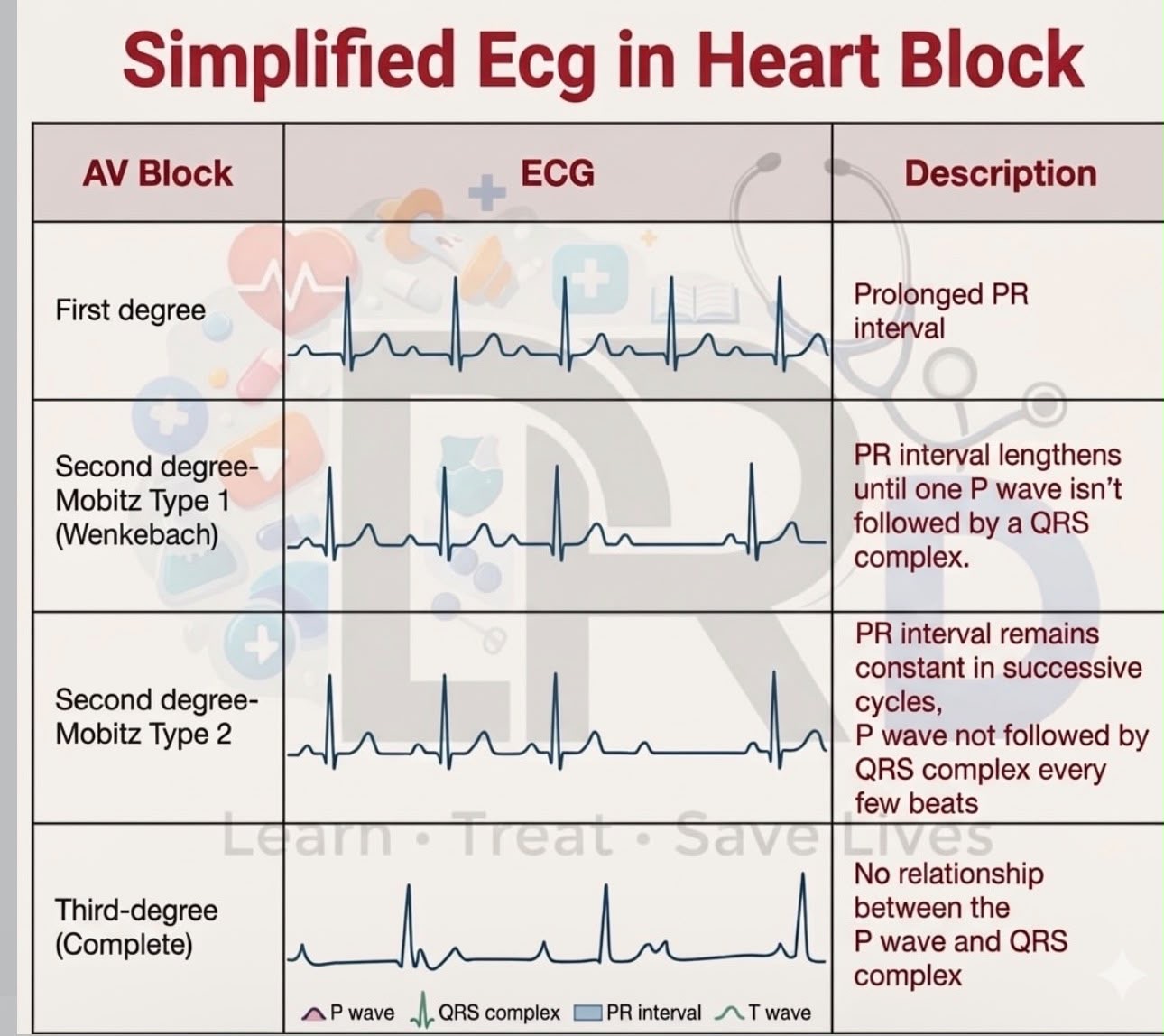
Red flags
- Fetal/neonatal bradycardia or complete heart block (needs pacing)
- Hydrops fetalis / cardiomyopathy from advanced cardiac disease
- Severe neonatal cytopenia or cholestatic hepatitis
- Recurrence in a subsequent antibody-positive pregnancy
Assessment
Differential diagnosis
- Other causes of neonatal rash (infection, erythema multiforme) and of neonatal cytopenias/cholestasis
- Other causes of fetal/neonatal bradyarrhythmia (structural heart disease, long-QT, infection)
- The mother may be asymptomatic — anti-Ro/La can precede or occur without overt maternal disease
Investigations
- Maternal anti-Ro/SSA and anti-La/SSB antibodies (the causative exposure)
- Fetal: serial fetal echocardiography/heart-rate monitoring in at-risk pregnancies to detect emerging block
- Neonatal: ECG (PR interval, heart block), FBC (thrombocytopenia/neutropenia), LFTs, and examination of the skin
Management
- Identify the at-risk pregnancy (maternal anti-Ro/La positivity) and arrange specialist obstetric and fetal-cardiology surveillance for conduction abnormalities.
- Counsel that cutaneous, haematological and hepatic features of neonatal lupus are usually TRANSIENT and resolve with maternal antibody clearance over months.
- Recognise congenital heart block as PERMANENT: complete block typically requires neonatal/childhood pacemaker insertion; incomplete block needs monitoring.
- Support the newborn: cardiology assessment for any bradycardia/block, manage cytopenias and cholestasis supportively, and protect the skin from sun.
- Consider maternal hydroxychloroquine in antibody-positive pregnancies to reduce recurrence of cardiac neonatal lupus (specialist-guided).
- Plan heightened surveillance in future pregnancies — recurrence risk of cardiac disease is significant once one child is affected.
Drugs & doses
Disposition
Complications & pitfalls
- Permanent complete heart block requiring lifelong pacing
- Cardiomyopathy/endocardial fibroelastosis
- Transient cytopenias and hepatitis
- Future-pregnancy recurrence
Exam pearls
- Neonatal lupus reflects maternal anti-Ro/La antibodies, not disease in the infant.
- Rash, cytopenias and hepatitis are transient; congenital heart block is permanent.
- Antibody-positive pregnancies need fetal cardiac surveillance; hydroxychloroquine reduces recurrence.
Educational — confirm all doses against local policy.
Disclaimer: Educational decision support for qualified clinicians and students — not a substitute for clinical judgement, local protocols or a full drug reference. Confirm every dose and contraindication against your formulary before prescribing.