Acute complications of advanced ovarian cancer (bowel obstruction & tense ascites)
Oncological · Gynaecology
Physician-written · Verified by three sets of doctors · Reviewed November 2026
Bedside summary
Women with advanced ovarian cancer present acutely with MALIGNANT BOWEL OBSTRUCTION, tense symptomatic ASCITES, venous thromboembolism, or pain. Management balances symptom relief with the patient's goals of care; many of these complications are managed medically/palliatively rather than with aggressive surgery.
Figures & algorithms
Red flags
- Complete bowel obstruction or perforation/peritonism
- Severe breathlessness from tense ascites
- Suspected pulmonary embolism
- Sepsis or obstructive uropathy/AKI
Assessment
Differential diagnosis
- Malignant (often multi-level) bowel obstruction vs a reversible cause (adhesions, constipation)
- Tense ascites causing abdominal distension, breathlessness and anorexia
- VTE (high risk in ovarian cancer), ureteric obstruction, pain crisis
Investigations
- Bloods: FBC, U&E (dehydration/obstruction), LFTs, albumin, CA-125 if not known; group & save
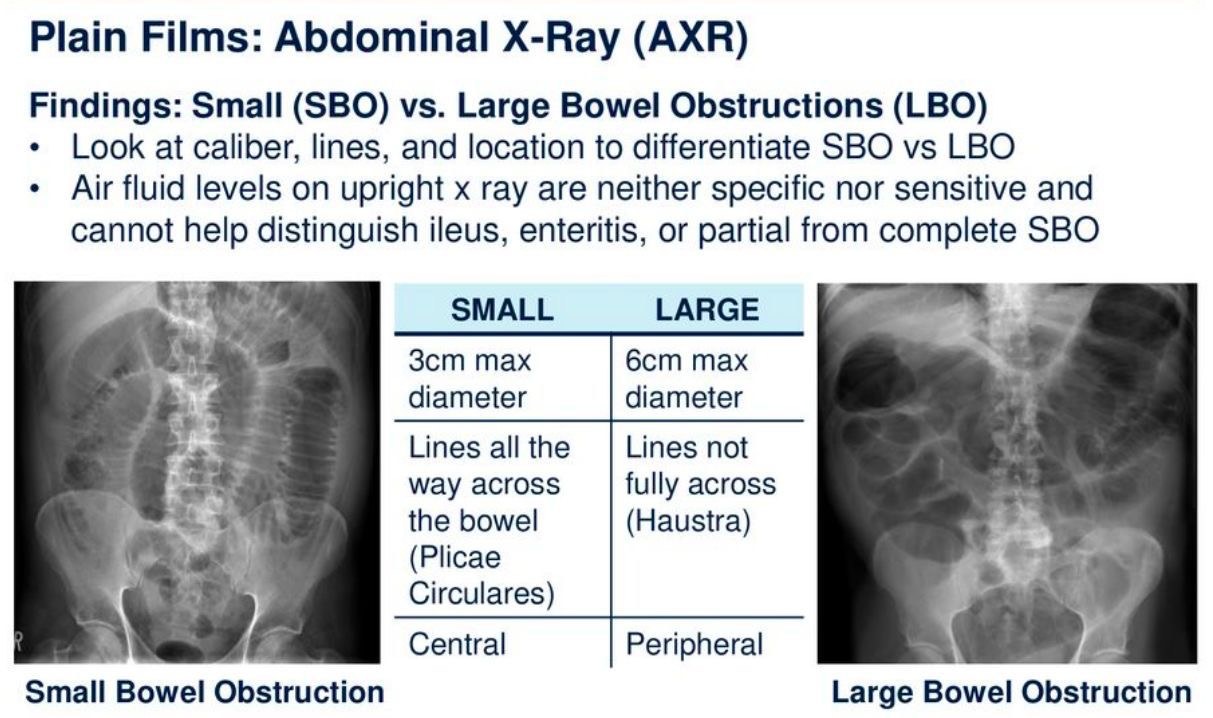
- CT abdomen/pelvis to define obstruction level, ascites, and disease extent; CXR/AXR as adjuncts
- US to confirm/guide ascitic drainage; consider Doppler/CTPA if VTE suspected
Management
- Clarify the goals of care early and involve the oncology/palliative and gynae-oncology teams.
- Malignant bowel obstruction: "drip and suck" (IV fluids, correct electrolytes, nasogastric tube for decompression) and medical symptom control — antiemetics, analgesia, antisecretory agents (e.g. hyoscine butylbromide ± octreotide) and corticosteroids; reserve surgery/stenting for carefully selected patients.
- Tense symptomatic ascites: therapeutic paracentesis for rapid relief of distension and breathlessness; consider an indwelling drain for recurrent ascites.
- Assess and treat VTE (anticoagulation) — ovarian cancer carries high thrombotic risk.
- Provide good analgesia and antiemesis; manage ureteric obstruction (nephrostomy/stent) where appropriate and consistent with goals.
- Coordinate ongoing oncological treatment vs best supportive care according to the patient's wishes and performance status.
Drugs & doses
Antiemetics and analgesia titrated to need (confirm against local policy)
Antisecretory agents for obstruction: hyoscine butylbromide ± octreotide (confirm against local policy)
Corticosteroid (e.g. dexamethasone) as an adjunct in bowel obstruction
Therapeutic anticoagulation for VTE (confirm against local policy)
IV fluids and electrolyte correction
Disposition
Admit for symptom control with gynae-oncology and palliative-care input; align interventions with the patient's goals of care.
Complications & pitfalls
- Bowel perforation
- Recurrent ascites and malnutrition
- Venous thromboembolism
- Renal failure from ureteric obstruction
Exam pearls
- Malignant bowel obstruction is often managed medically ("drip and suck" + symptom control), not surgically.
- Therapeutic paracentesis rapidly relieves tense ascites and breathlessness.
- Ovarian cancer is highly thrombogenic — have a low threshold to investigate for VTE.
Educational — confirm all doses against local policy.
Disclaimer: Educational decision support for qualified clinicians and students — not a substitute for clinical judgement, local protocols or a full drug reference. Confirm every dose and contraindication against your formulary before prescribing.