Sickle cell crisis in pregnancy (vaso-occlusive & acute chest)
Bedside summary
Pregnancy markedly increases the frequency and severity of sickle cell complications. A painful vaso-occlusive crisis needs prompt, adequate analgesia, hydration and oxygen, while acute chest syndrome is the leading cause of death and must be actively sought and treated. Multidisciplinary (haematology + obstetric) care, infection prevention and vigilance for complications are essential.
Figures & algorithms
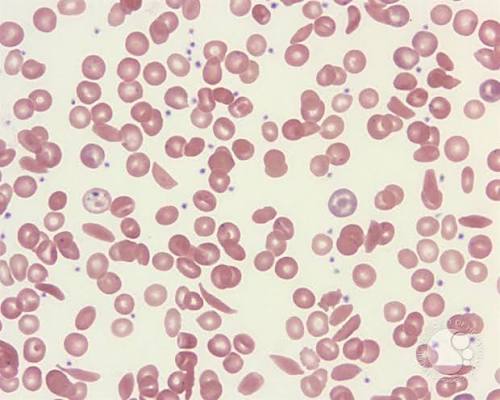
Red flags
- Acute chest syndrome (fever, hypoxia, chest pain, new infiltrate)
- Neurological signs (stroke)
- Rapidly falling haemoglobin (sequestration/aplastic crisis)
- Sepsis (functional asplenia)
- Non-reassuring CTG / pre-eclampsia
Assessment
Differential diagnosis
- Vaso-occlusive crisis versus acute chest syndrome (fever, hypoxia, chest pain, new infiltrate)
- Pulmonary embolism (also increased in pregnancy), pneumonia, pre-eclampsia, acute anaemia from sequestration/aplastic crisis, infection
Investigations
- FBC and reticulocytes, oxygen saturations, blood cultures/septic screen if febrile; group & save (alloimmunisation risk)
- Chest X-ray if any respiratory signs (acute chest syndrome); blood gas if hypoxic
- Continuous fetal monitoring at viable gestations; monitor for pre-eclampsia
Management
- Give PROMPT, adequate analgesia for the painful crisis (strong opioids titrated, using the patient’s individualised plan where available), with regular reassessment.
- Supportive care: oxygen for hypoxia, careful hydration (avoid over-hydration/pulmonary oedema), keep warm, and incentive spirometry to prevent chest syndrome.
- Actively look for ACUTE CHEST SYNDROME (fever, hypoxia, chest pain, new infiltrate) and treat aggressively: oxygen, antibiotics, analgesia and urgent haematology — transfusion/exchange transfusion for severe/progressive cases.
- Give antibiotics promptly for suspected infection (functional asplenia); ensure thromboprophylaxis considerations.
- Involve haematology and obstetrics together; continue pregnancy-appropriate care (folic acid, avoid precipitants, monitor fetal growth).
- Transfuse/exchange guided by haematology for severe anaemia, acute chest syndrome, stroke or other severe complications; monitor for pre-eclampsia and growth restriction.
Drugs & doses
Disposition
Complications & pitfalls
- Acute chest syndrome and respiratory failure
- Stroke
- Fetal growth restriction, preterm birth, fetal loss
- Severe anaemia, sequestration, multi-organ failure
Exam pearls
- Treat the painful crisis early and adequately — do not under-dose; use the patient’s own plan.
- Acute chest syndrome is the leading killer — look for it in every febrile/hypoxic crisis and involve haematology.
- Avoid over-hydration and NSAIDs in the third trimester; keep the patient warm and oxygenated.
Educational — confirm all doses against local policy. Antibiotic doses per BNF (current edition); confirm choice in the in-app Antibiotic Dosing tool.
Disclaimer: Educational decision support for qualified clinicians and students — not a substitute for clinical judgement, local protocols or a full drug reference. Confirm every dose and contraindication against your formulary before prescribing.