Haemolytic uraemic syndrome (child)
Renal · Paediatric
Physician-written · Verified by three sets of doctors · Reviewed November 2026
Bedside summary
Triad of microangiopathic haemolytic anaemia, thrombocytopenia and acute kidney injury, usually 5-10 days after bloody diarrhoea (Shiga toxin-producing E. coli O157). Leading cause of AKI in young children.
Figures & algorithms
Red flags
- Anuria or rapidly rising creatinine
- Severe hypertension or encephalopathy/seizures
- Refractory hyperkalaemia
- Pancreatitis or bowel necrosis
Assessment
Differential diagnosis
- Thrombotic thrombocytopenic purpura
- Sepsis with DIC
- Atypical (complement-mediated) HUS
- Acute glomerulonephritis
- Systemic vasculitis
Investigations
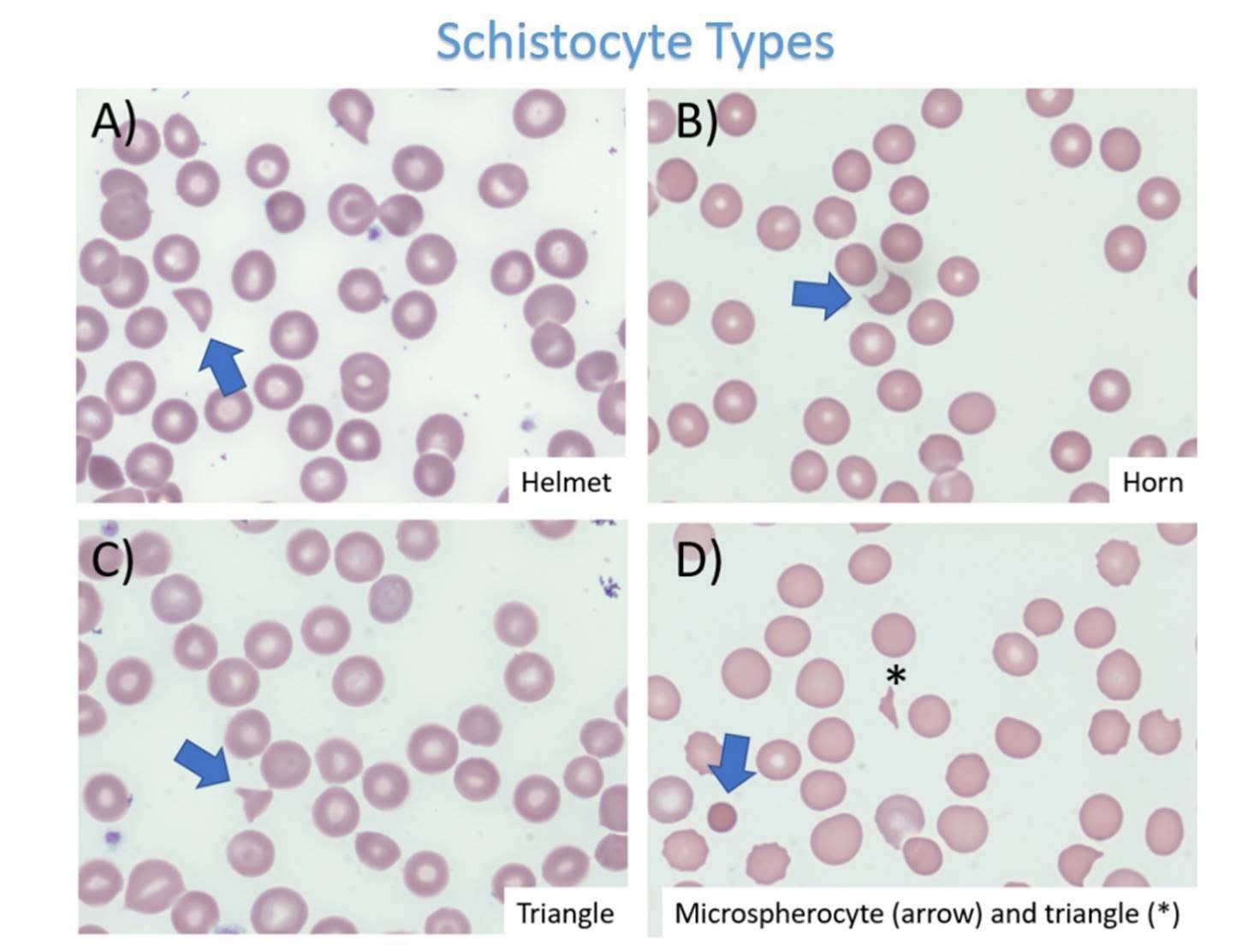
- FBC with blood film (schistocytes)
- U&E, creatinine, LDH, haptoglobin, bilirubin
- Stool culture and Shiga toxin PCR
- Coagulation screen (usually normal, distinguishes from DIC)
- Urinalysis, blood pressure
Management
- Assess volume status, hydration and urine output; weigh the child
- Careful IV fluid management - avoid fluid overload if anuric, correct hypovolaemia if dehydrated
- Treat hypertension and electrolyte disturbance (hyperkalaemia) actively
- Transfuse packed cells for symptomatic anaemia; avoid platelets unless active bleeding/surgery
- Early paediatric nephrology referral; consider dialysis for refractory fluid/electrolyte issues
- AVOID antibiotics and antimotility agents in typical STEC-HUS (may worsen toxin release)
Drugs & doses
Cautious IV crystalloid titrated to volume status
Packed red cells for symptomatic anaemia
Antihypertensives (e.g. nifedipine, labetalol) per local protocol
Treat hyperkalaemia (salbutamol nebs, calcium gluconate, insulin-dextrose)
Eculizumab only for atypical/complement-mediated HUS (specialist)
Disposition
Admit under paediatrics/nephrology; transfer to a unit with paediatric dialysis if renal failure evolving.
Complications & pitfalls
- Chronic kidney disease
- Seizures and CNS involvement
- Colonic necrosis, pancreatitis
- Fluid overload and pulmonary oedema
Exam pearls
- Do not give antibiotics in typical STEC-HUS
- Avoid platelet transfusion unless bleeding or before procedures
- Normal coagulation helps distinguish HUS from DIC
Disclaimer: Educational decision support for qualified clinicians and students — not a substitute for clinical judgement, local protocols or a full drug reference. Confirm every dose and contraindication against your formulary before prescribing.