Paediatric sickle cell crisis
Vaso-occlusive / sequestration · Paediatric
Physician-written · Verified by three sets of doctors · Reviewed November 2026
Bedside summary
Children with sickle cell disease present with painful vaso-occlusive crises, acute chest syndrome, splenic sequestration (rapid anaemia and shock), aplastic crisis and stroke. Analgesia, hydration, oxygen and specific therapies by crisis type are key.
Figures & algorithms
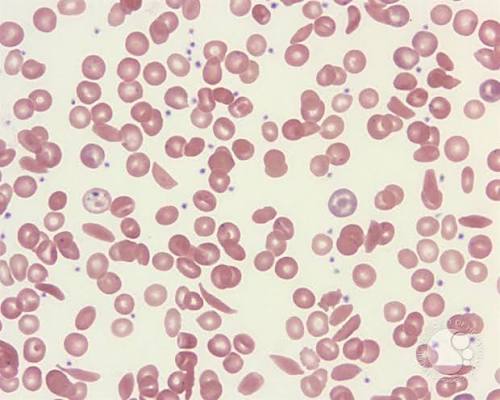
Assessment
Investigations
- FBC and reticulocytes (compare with baseline); SpO2; identify the crisis type
- CXR for chest syndrome; assess spleen size; neuro exam
- Septic screen (functional asplenia)
Management
- Prompt analgesia (often opioids), hydration, oxygen and warmth
- Acute chest syndrome: antibiotics, oxygen, and exchange transfusion if severe
- Splenic sequestration: urgent transfusion for the acute anaemia/shock
- Stroke: urgent exchange transfusion
- Antibiotics for fever (asplenia); haematology involvement
Drugs & doses
Analgesia (opioids)
IV fluids + oxygen
Transfusion / exchange (by crisis)
Disposition
Admit; haematology.
Treat sickle pain fast, and recognise the killers - acute chest syndrome, splenic sequestration and stroke all need urgent (often exchange) transfusion.
Disclaimer: Educational decision support for qualified clinicians and students — not a substitute for clinical judgement, local protocols or a full drug reference. Confirm every dose and contraindication against your formulary before prescribing.