Pancreatitis-associated distributive shock
Bedside summary
Severe acute pancreatitis can cause a SIRS-driven, distributive (vasodilatory) shock with capillary leak, third-space losses and multiorgan dysfunction — resembling septic shock even when sterile. Early, GOAL-DIRECTED but moderate fluid resuscitation, organ support and vigilance for infected necrosis are key. Over-aggressive fluid loading worsens outcomes (abdominal compartment syndrome, oedema); titrate to perfusion endpoints.
Figures & algorithms
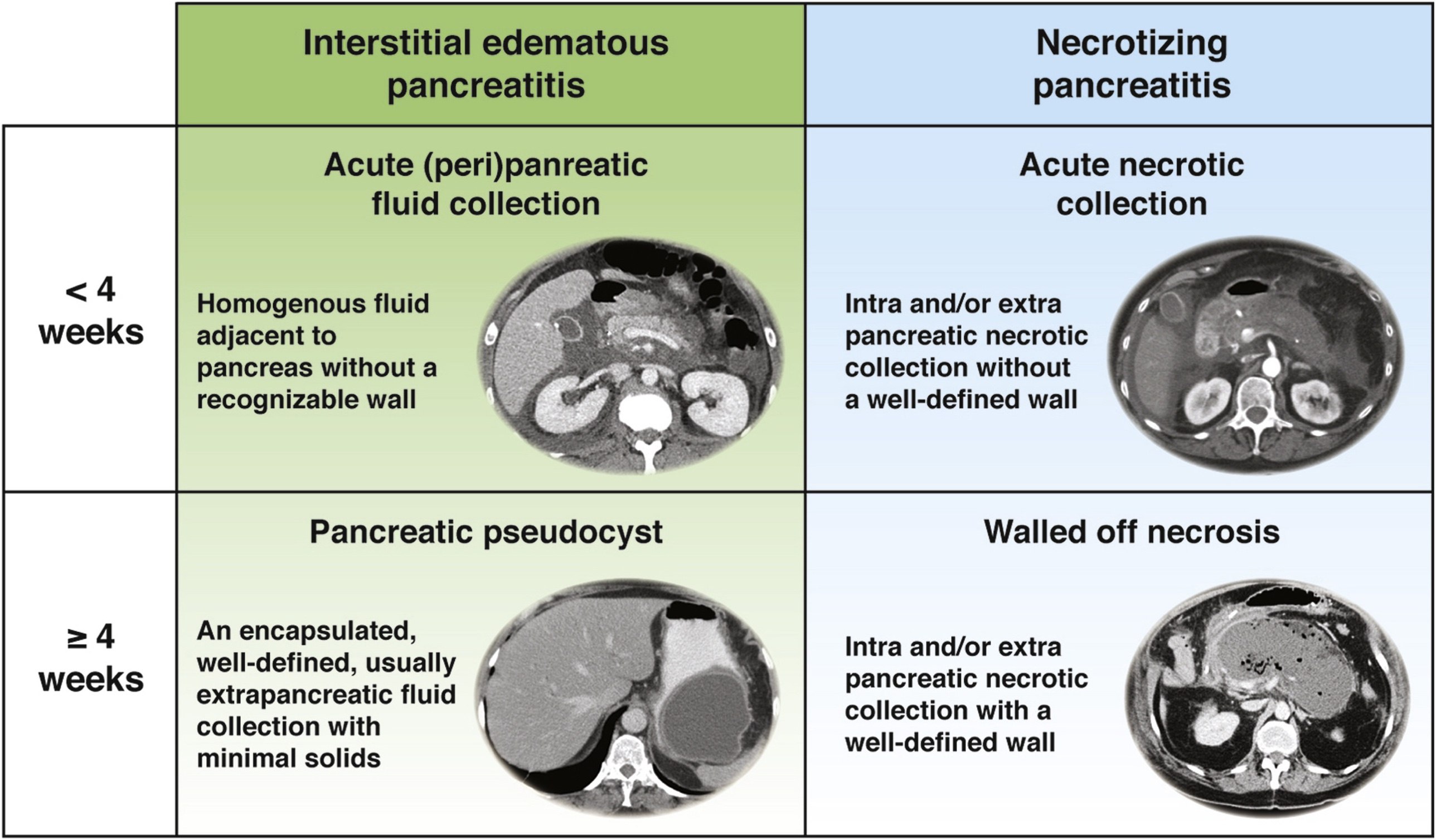
Red flags
- Persistent organ failure >48 h (severe pancreatitis)
- New fever/deterioration after the first week (infected necrosis)
- Rising intra-abdominal pressure (abdominal compartment syndrome)
- Hypoxia/ARDS and oliguric AKI
Assessment
Differential diagnosis
- Distinguish sterile SIRS from superimposed infection (infected necrosis, cholangitis, aspiration)
- Other causes of distributive/mixed shock in the acute abdomen: perforation with peritonitis, mesenteric ischaemia
- Hypovolaemia from third-space loss and vomiting compounding the picture
Investigations
- Lipase/amylase with cross-sectional imaging (contrast CT) to assess severity/necrosis — timed appropriately
- Lactate, serial FBC/U&E, calcium, CRP, and a severity assessment; monitor intra-abdominal pressure if deteriorating
- Blood cultures and sepsis screen if infection is suspected; LFTs/US for a gallstone cause
Management
- Resuscitate with balanced crystalloid using a goal-directed, MODERATE strategy — titrate to urine output, lactate clearance and perfusion rather than fixed large volumes.
- Avoid over-resuscitation: reassess frequently and watch for pulmonary oedema and abdominal compartment syndrome.
- Start vasopressors (noradrenaline) early for persistent vasodilatory hypotension despite adequate filling.
- Provide organ support: oxygen/ventilation for ARDS, renal support for AKI, and good analgesia.
- Do NOT give prophylactic antibiotics for sterile pancreatitis; treat only proven/strongly suspected infection (infected necrosis, cholangitis) and consider early ERCP for obstructing gallstone cholangitis.
- Begin early enteral nutrition when feasible; involve critical care and surgery/gastroenterology for necrosis management.
Drugs & doses
Disposition
Complications & pitfalls
- Infected pancreatic necrosis and sepsis
- Abdominal compartment syndrome
- ARDS and AKI
- Fluid overload from over-resuscitation
Exam pearls
- Resuscitate to perfusion endpoints — more fluid is not better in pancreatitis.
- No prophylactic antibiotics for sterile pancreatitis; treat proven infection only.
- Think infected necrosis when the patient deteriorates in the second week.
Educational — confirm all doses against local policy. Antibiotic doses per BNF (current edition); confirm choice in the in-app Antibiotic Dosing tool.
Disclaimer: Educational decision support for qualified clinicians and students — not a substitute for clinical judgement, local protocols or a full drug reference. Confirm every dose and contraindication against your formulary before prescribing.